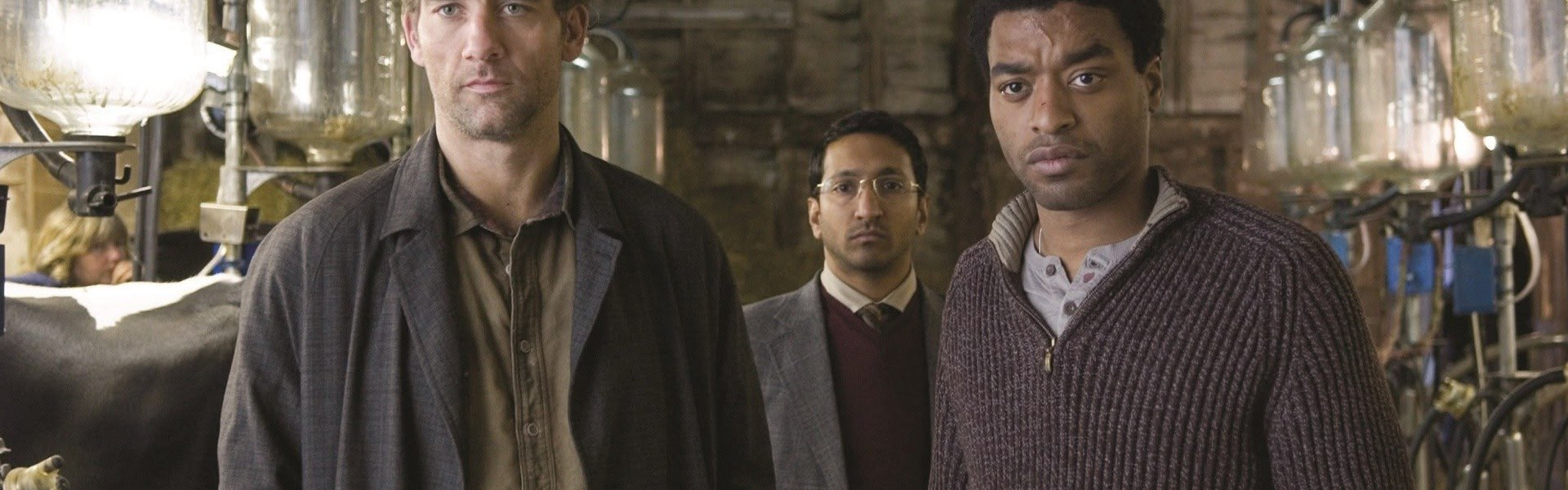
Set in a chaotic future where humanity grapples with despair, Children of Men presents a world where no child has been born for years. The story follows a loner who embarks on a perilous journey to protect the only known pregnant woman, offering a glimmer of hope in an otherwise bleak existence.
This film not only captivates with its intense storyline but also serves as a profound commentary on societal collapse and the innate human desire for continuity and hope.
Schedule

Trailer

The Setting: A Dystopian Britain
In Children of Men, we find ourselves in a dystopian version of Britain, where societal order has crumbled under the weight of despair. The absence of children for over two decades has led to a pervasive sense of hopelessness among the population. The government struggles to maintain control amidst rampant violence and civil unrest, showcasing a society on the brink of collapse.
The film’s portrayal of this desolate environment is both haunting and thought-provoking. As viewers, we are invited to reflect on the fragility of civilization and the consequences of neglecting our future.
The Protagonist: A Reluctant Hero
The central character, Theo Faron, played by Clive Owen, is a disillusioned bureaucrat who has lost faith in humanity. His transformation from a passive observer to an active participant in the fight for survival is a compelling aspect of the narrative. As he encounters the pregnant woman, Kee, portrayed by Clare-Hope Ashitey, Theo’s journey becomes one of redemption and purpose.
Throughout the film, Theo grapples with his own cynicism and the overwhelming odds stacked against him, making his eventual commitment to protect Kee all the more poignant. This character development resonates deeply with audiences, as it highlights the potential for change even in the darkest of times.
Thematic Elements: Hope Amidst Despair
One of the most striking themes of Children of Men is the concept of hope. Despite the pervasive despair, the existence of Kee and her unborn child represents a flicker of hope for humanity. The film challenges viewers to consider what it means to fight for a future when all seems lost.
The juxtaposition of violence and tenderness throughout the film serves to emphasise this theme. As Theo navigates through a brutal world, moments of compassion and humanity shine through, reminding us of the resilience of the human spirit.
The cinematography, particularly the use of long takes and immersive camera work, further enhances the emotional weight of the narrative. Each scene draws the audience deeper into the chaotic world, making the stakes feel incredibly real.
Critical Reception and Legacy
Upon its release, Children of Men received widespread critical acclaim for its innovative storytelling and visual style. The film was praised for its ability to blend science fiction with profound social commentary, resonating with audiences and critics alike.
Years later, it remains a significant work in the genre of dystopian cinema, often cited for its relevance to contemporary societal issues. The themes explored in the film continue to spark conversations about the future of humanity, making it a timeless piece of art.
Conclusion
In conclusion, Children of Men is not just a film about a dystopian future; it is a powerful exploration of hope, resilience, and the human spirit. As we navigate our own challenges, the story serves as a reminder of the importance of fighting for a better tomorrow. We invite you to reflect on its themes and the profound questions it raises about our society and future.

