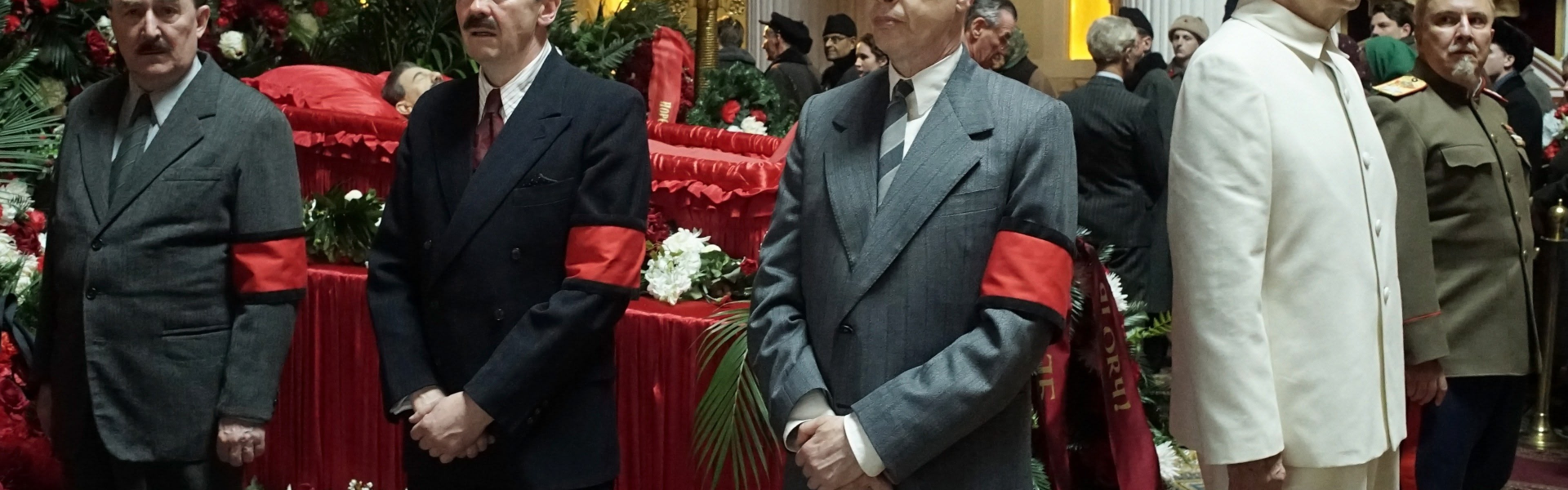
In the wake of Stalin's unexpected demise, 'Death of Stalin' presents a comedic yet poignant exploration of the ensuing power struggle among his followers. This film cleverly intertwines dark humour with historical events, showcasing how ambition can drive individuals to extreme measures.
Set in the Soviet Union during the 1950s, the film captures the frantic scramble for power among Stalin's closest associates. Each character, driven by personal ambition and a desire for control, is willing to go to great lengths to secure their position. 'Death of Stalin' not only entertains but also provokes thought about the absurdity of political manoeuvring in the face of tragedy.
Trailer

The Dark Humour of 'Death of Stalin'
'Death of Stalin' masterfully blends comedy with the grim realities of a totalitarian regime. The film's humour is derived from the absurdity of the characters' actions and the chaotic environment in which they operate. The writers have crafted a narrative that highlights the ridiculousness of political machinations, making the audience laugh while reflecting on the serious implications of power struggles.
One of the film's standout features is its ability to take a historical event and present it through a comedic lens. The characters, portrayed by an exceptional ensemble cast, navigate the treacherous waters of Soviet politics, often leading to hilariously unexpected outcomes. This unique approach invites viewers to consider how humour can emerge even in the darkest of times.
Character Dynamics and Performances
The film boasts a remarkable cast, including Steve Buscemi as Nikita Khrushchev and Simon Russell Beale as Lavrentiy Beria. Their performances are not only entertaining but also provide depth to the characters, showcasing the complexities of their motivations and relationships.
As the plot unfolds, we witness the characters' interactions, marked by a mixture of camaraderie and betrayal. The dynamics between them are both humorous and tense, illustrating how alliances can shift rapidly in the pursuit of power. The film effectively uses these interactions to highlight the absurdity of their ambitions, making for a compelling viewing experience.
The Impact of Historical Context
'Death of Stalin' is set against the backdrop of a pivotal moment in history, which adds layers of significance to its comedic narrative. The film invites viewers to reflect on the real-life implications of the events it portrays, encouraging a deeper understanding of the political landscape of the time.
While the film is undoubtedly a comedy, it does not shy away from addressing the darker aspects of Stalin's regime. By juxtaposing humour with historical reality, 'Death of Stalin' challenges audiences to confront the complexities of power and governance. This duality enhances the film's impact, making it not only entertaining but also thought-provoking.
Conclusion
'Death of Stalin' is a brilliant fusion of dark humour and political satire that captivates audiences with its sharp wit and engaging performances. As we follow the characters' desperate attempts to seize power, we are reminded of the absurdity of ambition in the face of chaos. This film serves as a compelling reminder of the intricate relationship between comedy and history, inviting viewers to laugh while reflecting on the serious implications of political turmoil.

