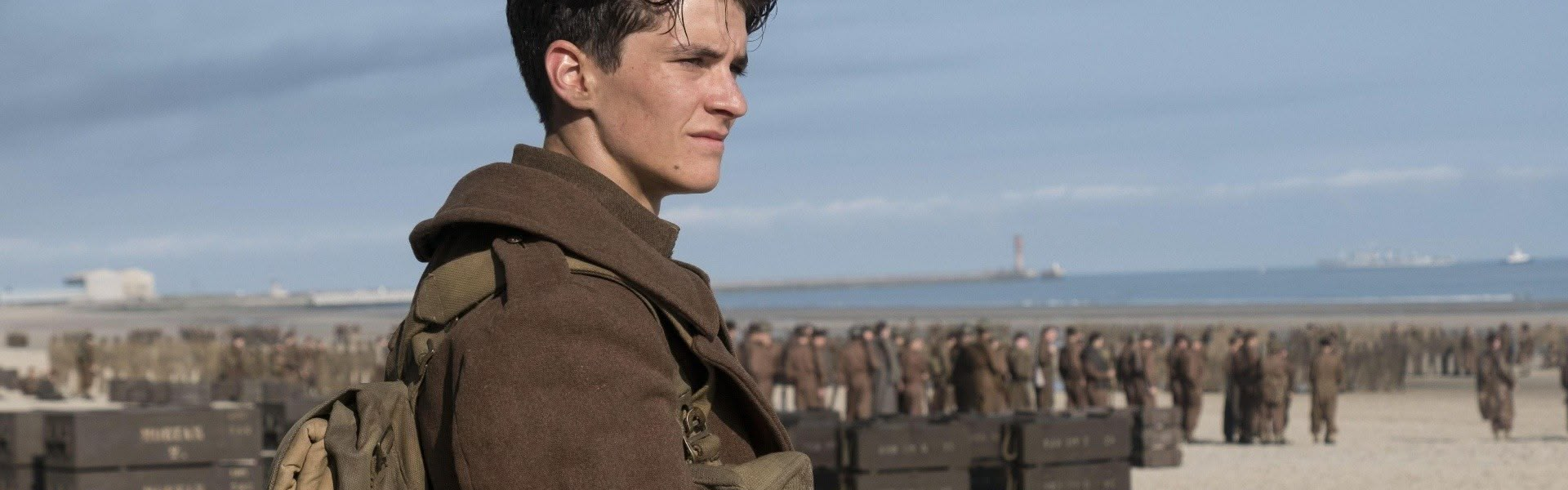
Dunkirk is a powerful World War II drama that captures the harrowing experience of the British Army during a desperate evacuation from northern France.
Directed by the acclaimed filmmaker Christopher Nolan, this 110-minute film immerses viewers in the intense atmosphere of war, showcasing the bravery and resilience of soldiers trapped in a dire situation.
Trailer
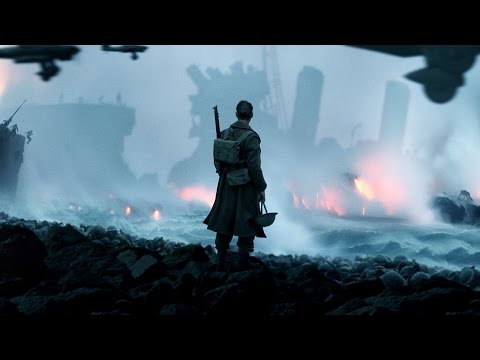
The Story Behind Dunkirk
Set in 1940, Dunkirk tells the story of the Dunkirk evacuation, also known as Operation Dynamo. This operation involved evacuating Allied soldiers who were surrounded by the German army on the beaches of Dunkirk, France. The film is structured around three different perspectives: land, sea, and air, each contributing to the overall narrative.
On land, we follow a young soldier named Tommy, portrayed by Fionn Whitehead, who is desperate to escape the clutches of the enemy. His journey is fraught with peril as he navigates the chaotic evacuation efforts. The film also highlights the experiences of Commander Bolton, played by Kenneth Branagh, who oversees the evacuation from the beach, and Mr. Dawson, portrayed by Mark Rylance, who sails his small boat to assist in the rescue.
Character Development and Performances
The performances in Dunkirk are nothing short of exceptional. Tom Hardy delivers a standout performance as RAF pilot Farrier, whose aerial battles provide a thrilling counterpoint to the ground-level struggles. His character is emblematic of the courage and sacrifice displayed by many during the war.
Each character's story intertwines seamlessly, showcasing the collective effort required for survival. The film's minimal dialogue allows the actors' expressions and actions to convey the emotional weight of their experiences, making the viewer feel the tension and urgency of their plight.
Cinematic Techniques and Direction
Christopher Nolan's direction in Dunkirk is masterful. The film employs a non-linear narrative, weaving together various timelines that converge in a climactic finale. This innovative storytelling technique keeps the audience engaged and heightens the sense of urgency as the evacuation unfolds.
Nolan's use of practical effects, including real ships and planes, adds authenticity to the film. The stunning cinematography by Hoyte van Hoytema captures the vastness of the beach and the chaos of war, immersing viewers in the experience. The sound design, coupled with Hans Zimmer's haunting score, further enhances the emotional impact of the film, creating a visceral experience that lingers long after the credits roll.
The Historical Significance of Dunkirk
Dunkirk is not just a cinematic achievement; it is also a poignant reminder of a significant event in history. The successful evacuation of over 330,000 Allied soldiers from Dunkirk is often regarded as a turning point in World War II, showcasing the resilience of the human spirit in the face of adversity.
The film serves as a tribute to the bravery of those involved in the evacuation, reminding viewers of the sacrifices made during this tumultuous period. It highlights the importance of unity and determination in overcoming seemingly insurmountable odds.
Conclusion
Dunkirk is a remarkable film that transcends the typical war genre, offering a gripping portrayal of courage and survival. With its stunning visuals, powerful performances, and masterful direction, it stands as a testament to the indomitable human spirit. We invite you to explore this cinematic masterpiece and reflect on the profound impact of the events it depicts.

